Implicit Bias
Focus Areas
Diversity, Equity & Inclusion • Adult Learning • Professional Development
The Challenge
Organizations increasingly recognize the importance of addressing implicit bias and its impact on workplace interactions, decision-making, and service delivery. Subject matter experts developed content to help learners understand the nature of implicit bias, recognize its influence, and explore strategies for reducing its impact.
The challenge was transforming SME-developed materials, including PowerPoint presentations, speaker notes, and supporting resources, into an engaging eLearning experience that encouraged reflection, self-awareness, and practical application.
My Approach
Working closely with SME-provided content, I analyzed and organized the material to create a structured learning experience that balanced foundational knowledge with opportunities for reflection and personal insight.
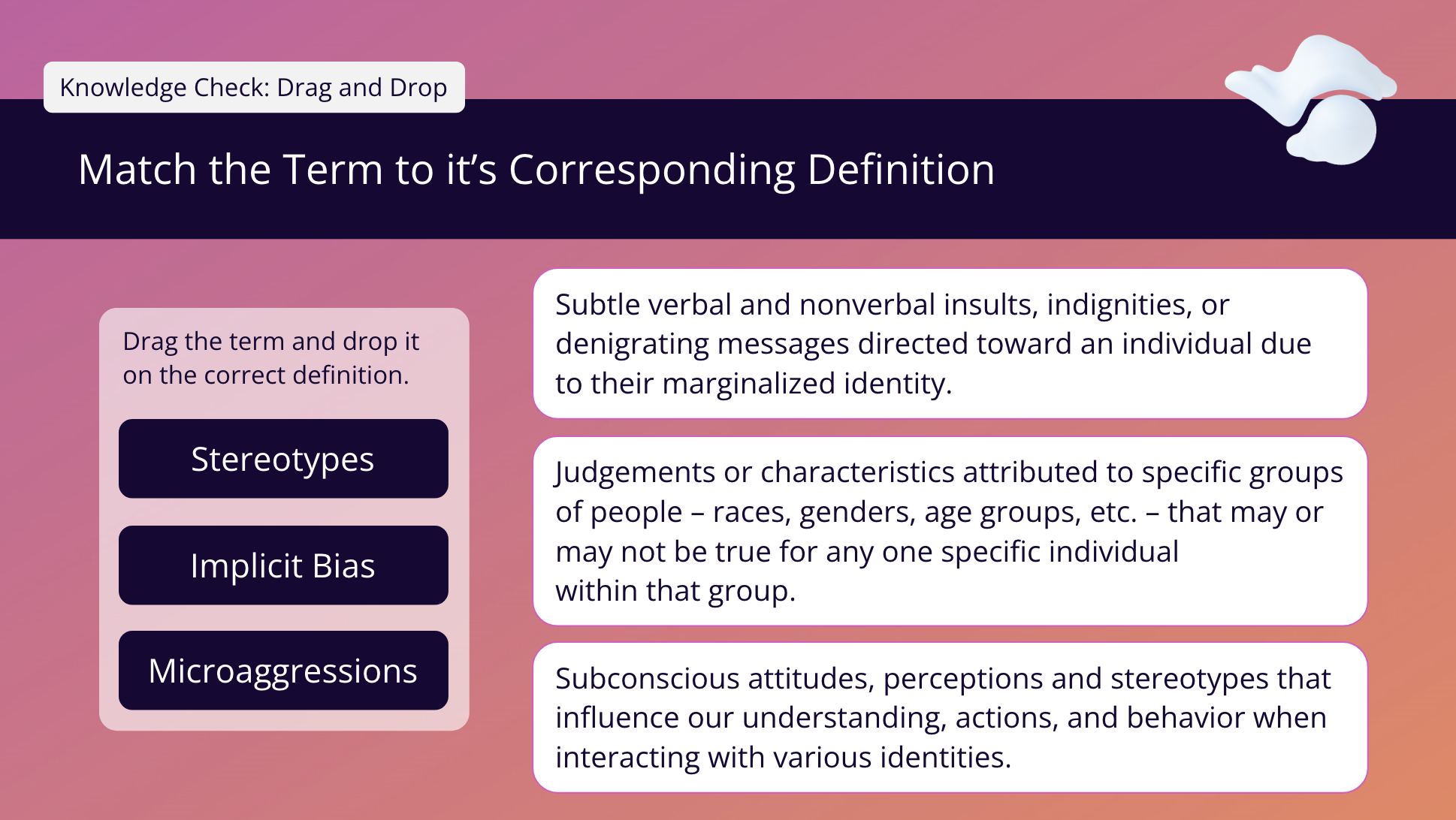
Using adult learning principles, I designed the course to move beyond information delivery by incorporating meaningful interactions, knowledge checks, and assessment activities that encouraged learners to connect concepts to their own experiences and professional responsibilities.
Special consideration was given to presenting sensitive topics in a respectful, engaging, and learner-centered manner while maintaining alignment with the course objectives.
Deliverables
Instructional design
Curriculum development
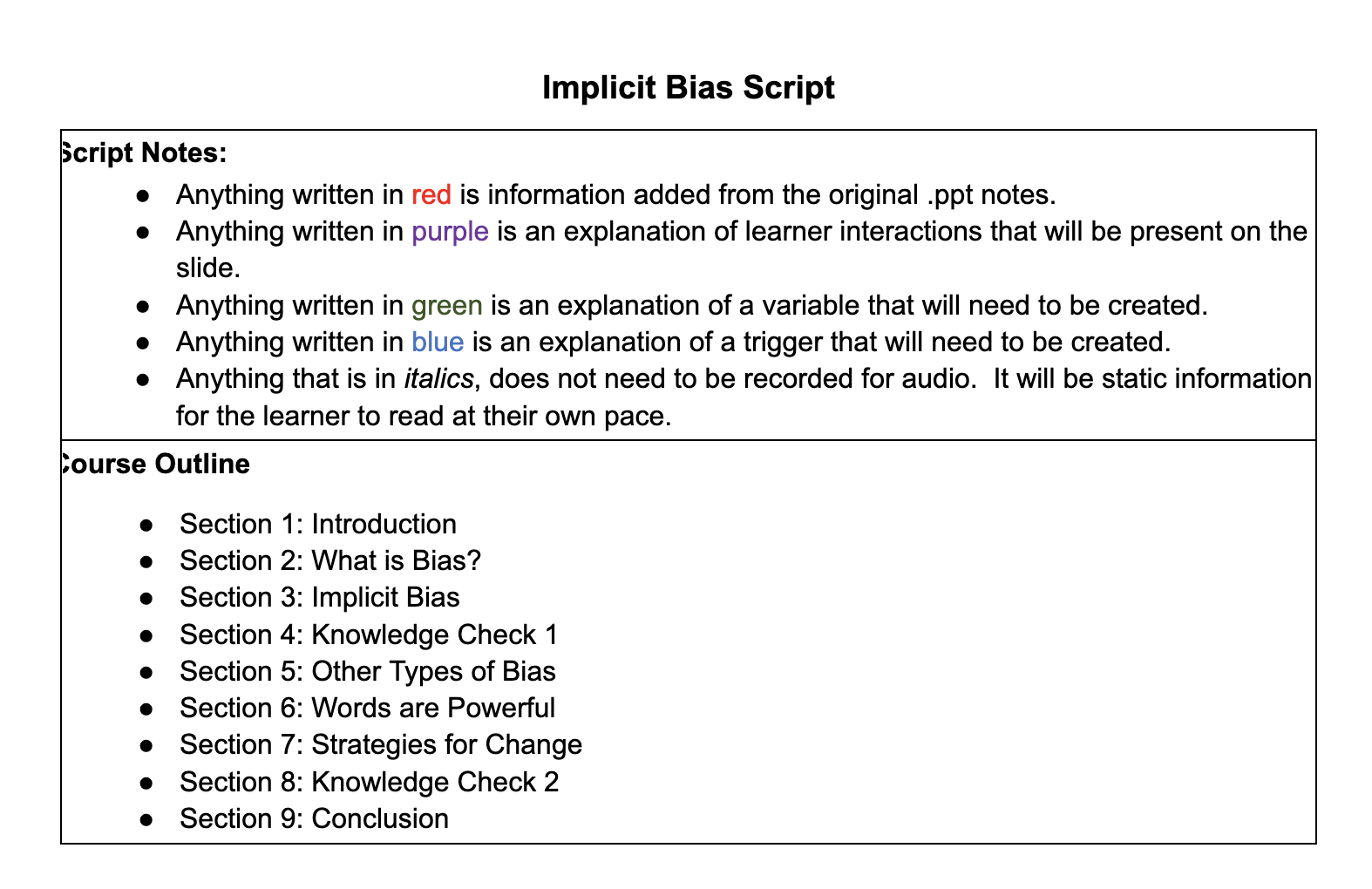
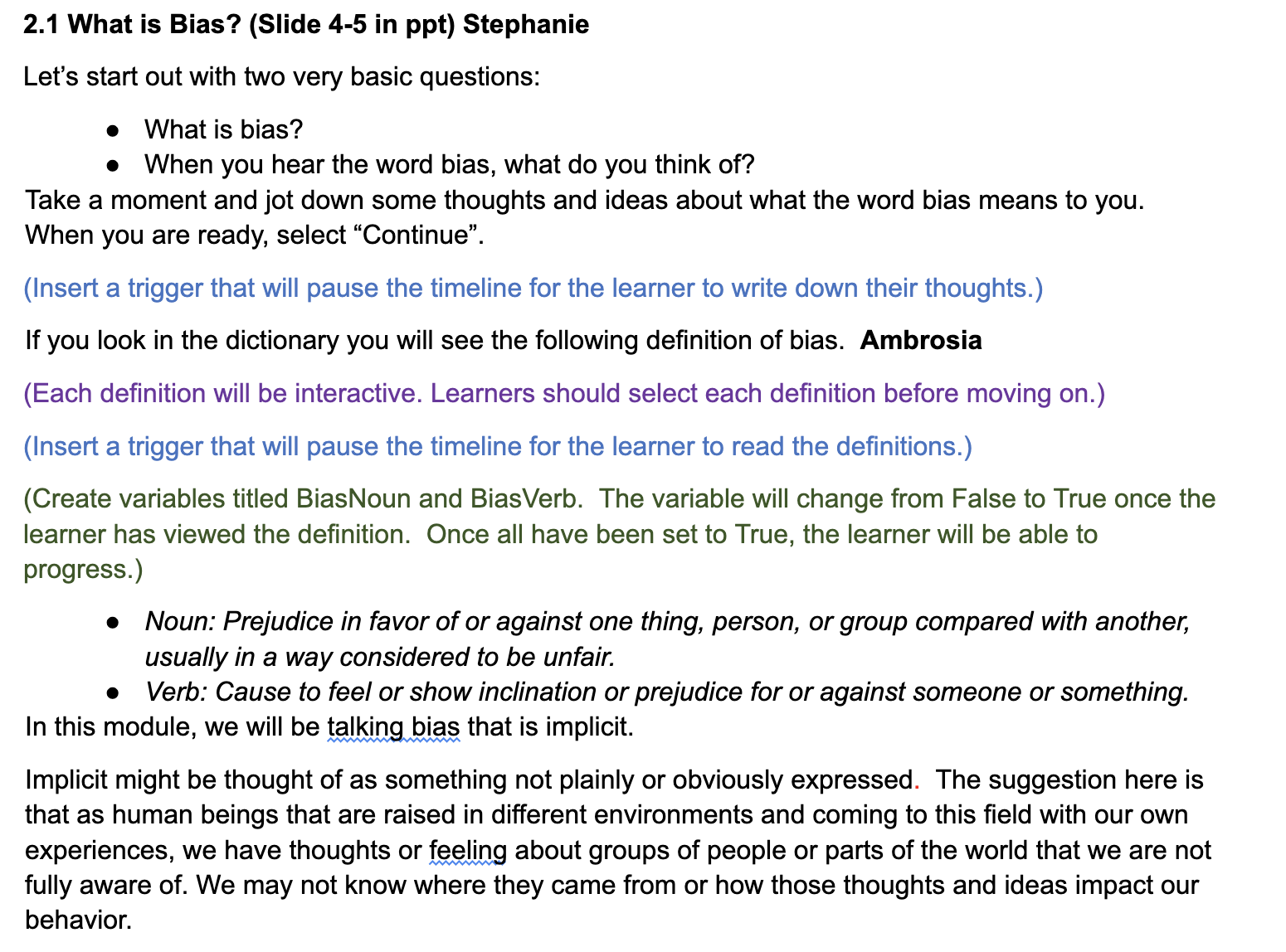
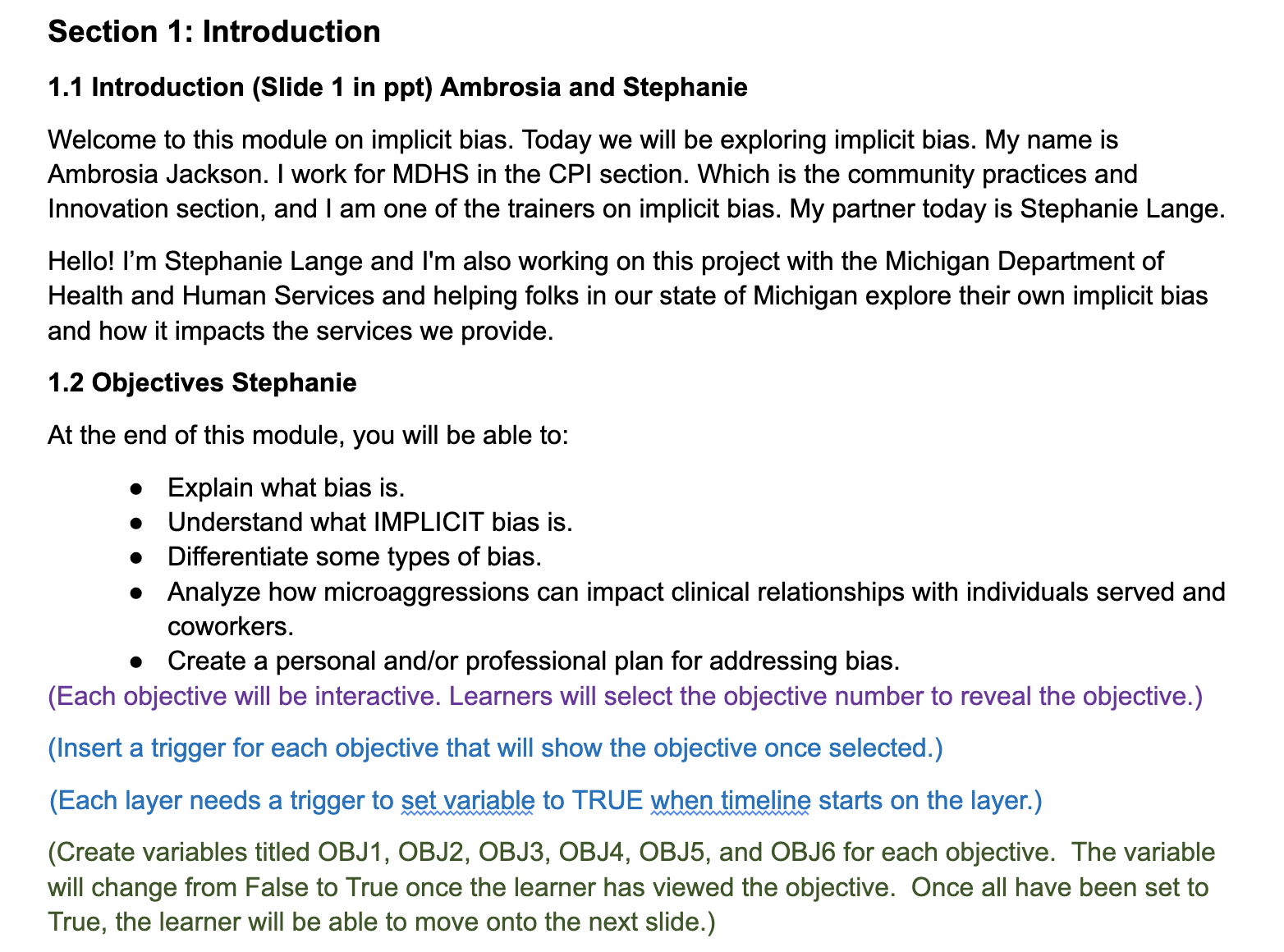
Script development
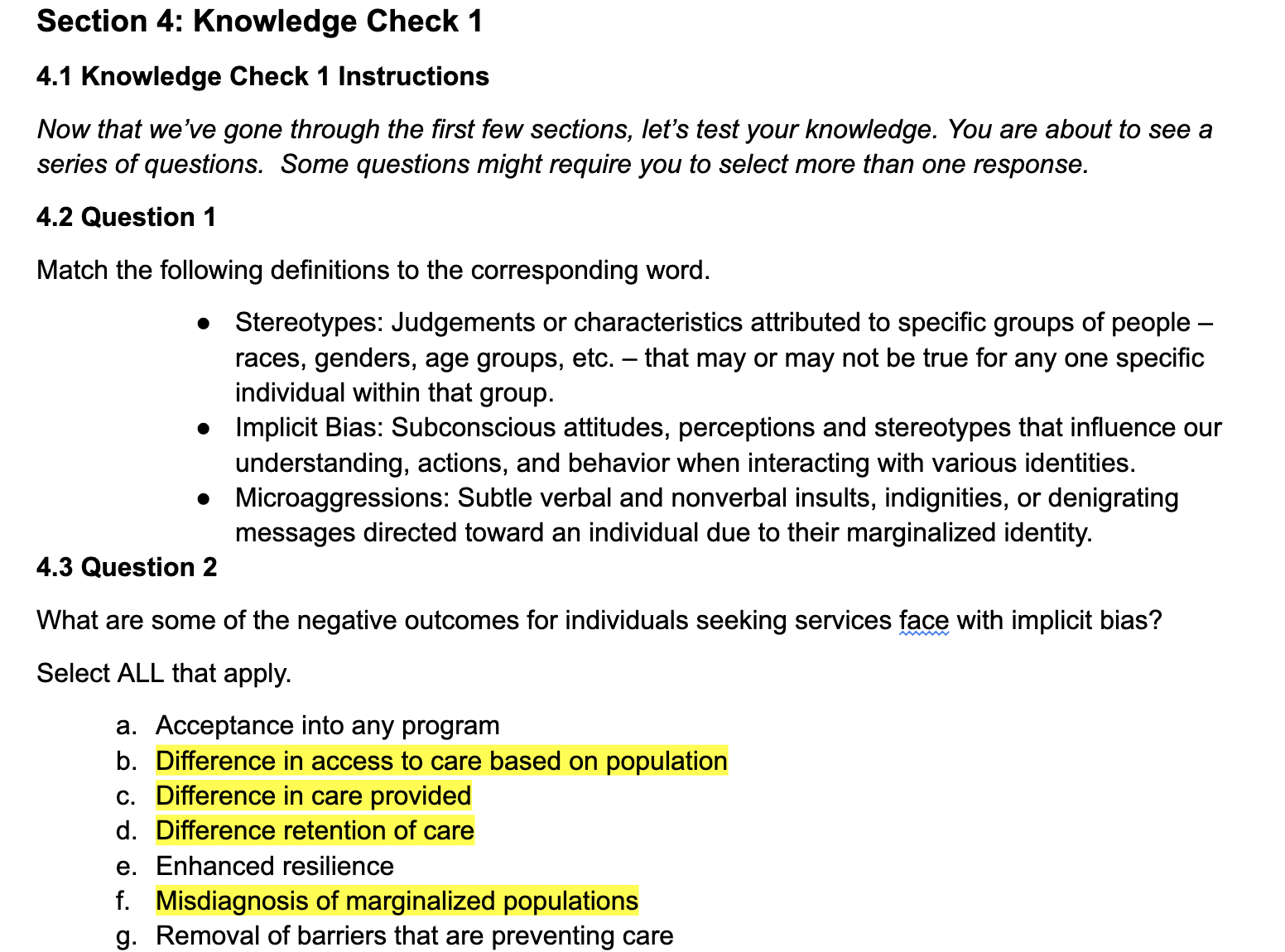
Assessment design
eLearning development
SME collaboration
Storyline development
What This Project Demonstrates
This project demonstrates my ability to transform subject matter expert content into engaging learning experiences that support reflection, self-awareness, and meaningful application of complex concepts.
Key Skills Demonstrated
Adult Learning • Instructional Design • eLearning Development • Assessment Design • Storyline 360 • SME Collaboration • Curriculum Development
Project Snapshot
Audience: Workforce Professionals
Format: Self-Paced eLearning
Role: Instructional Designer & eLearning Developer
Source Materials: SME-Provided PowerPoint Presentations, Speaker Notes, and Supporting Resources
Primary Responsibilities: Content Analysis, Instructional Design, Script Development, Assessment Design, Storyline Development
Tools: Articulate Storyline 360, PowerPoint, Microsoft Word, Adobe Creative Cloud
Design Highlights
Transformed SME-developed training materials into a learner-centered eLearning experience
Developed instructional scripts to support engagement and knowledge retention
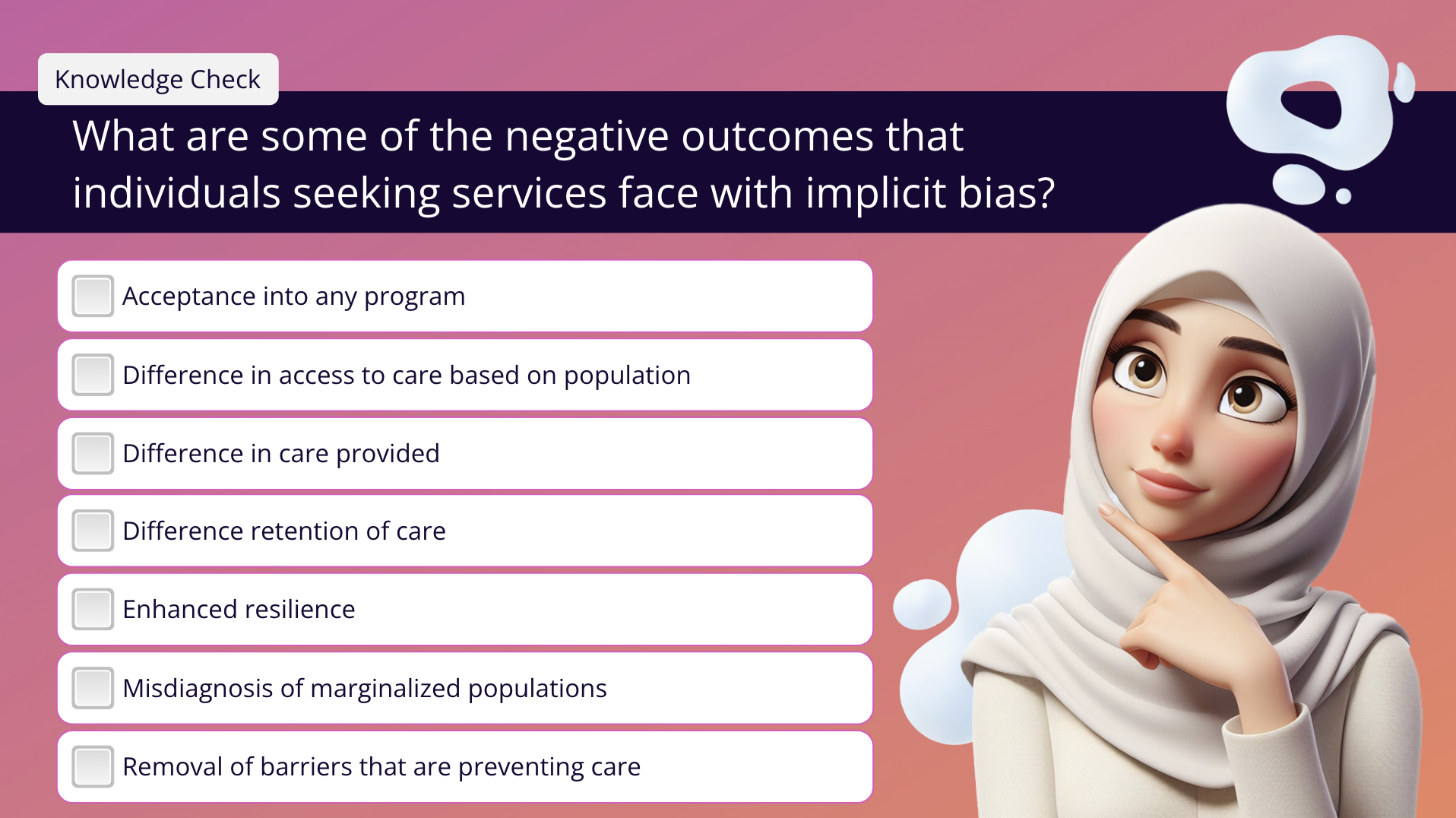
Designed assessments that reinforced key concepts and encouraged reflection
Applied adult learning principles to support meaningful learning and behavior awareness
Created interactive learning elements using Storyline 360
Course Samples
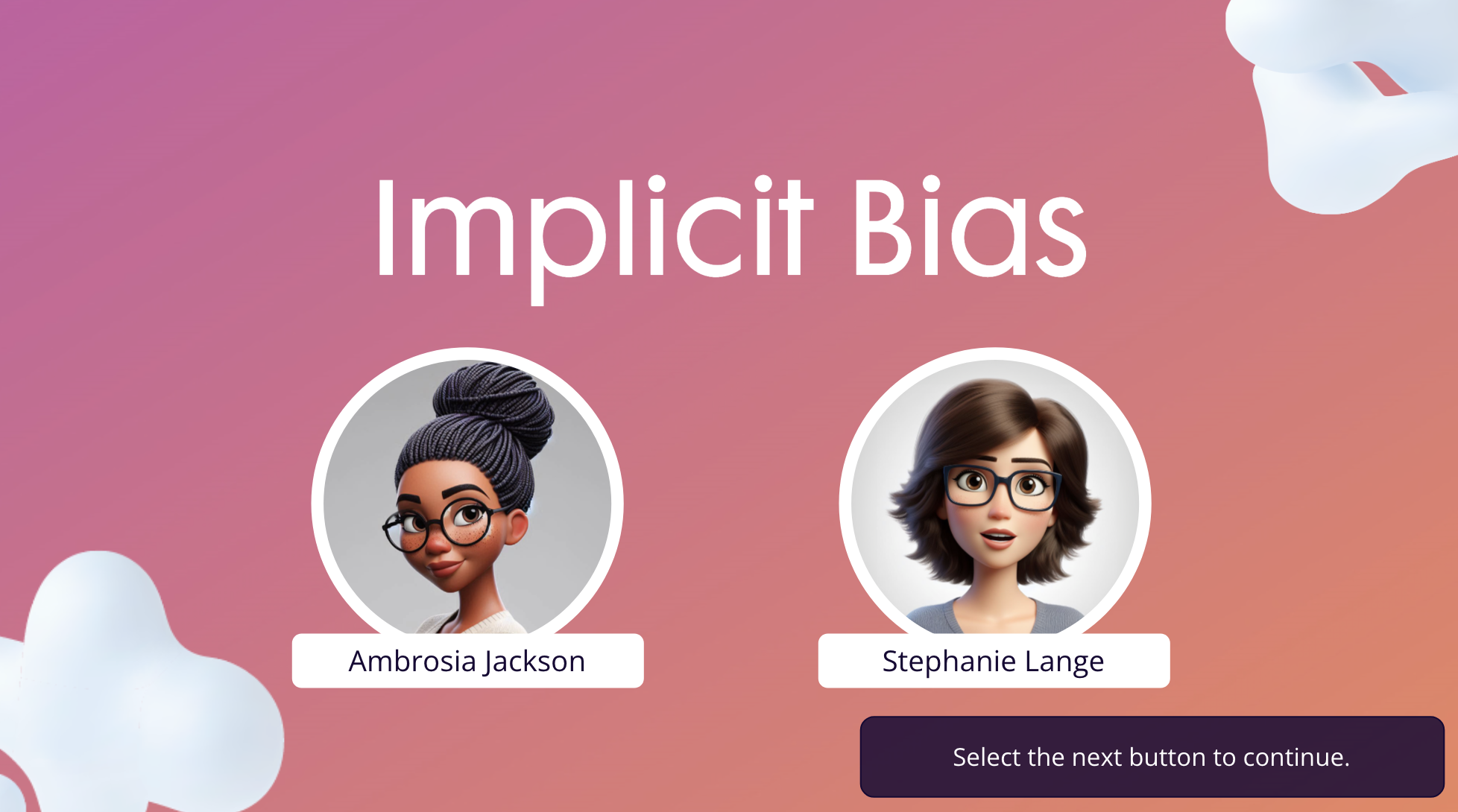
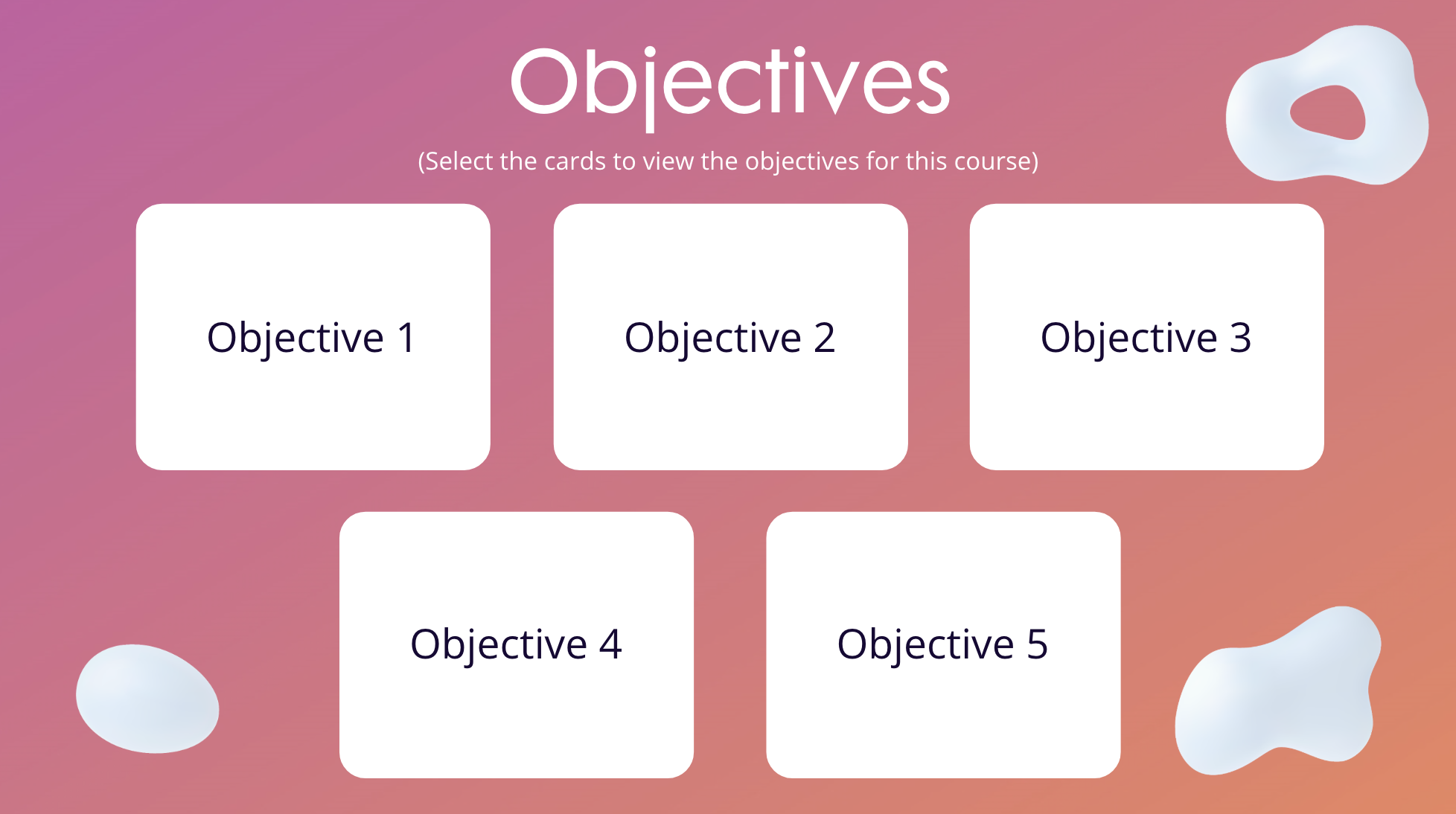
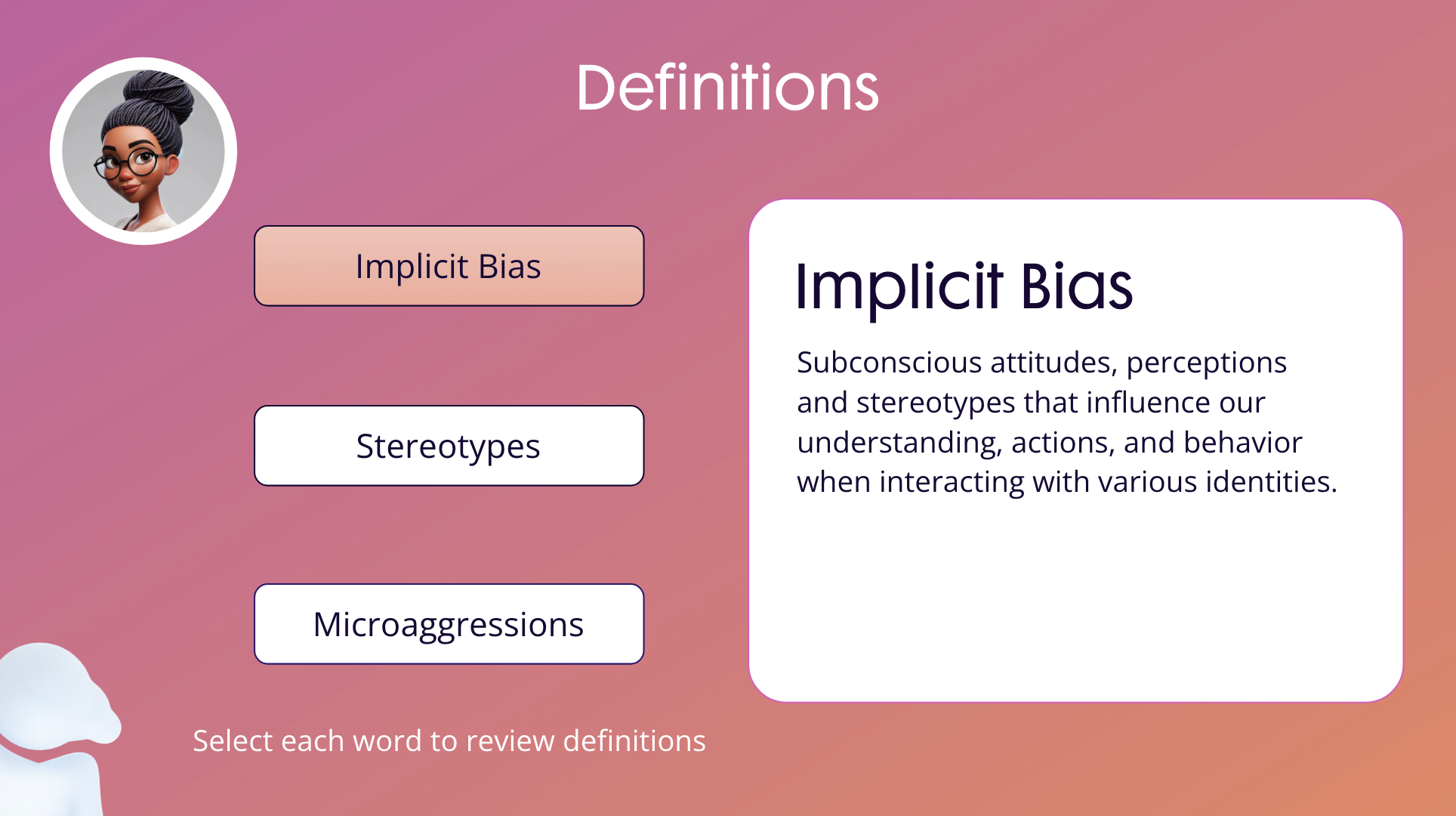
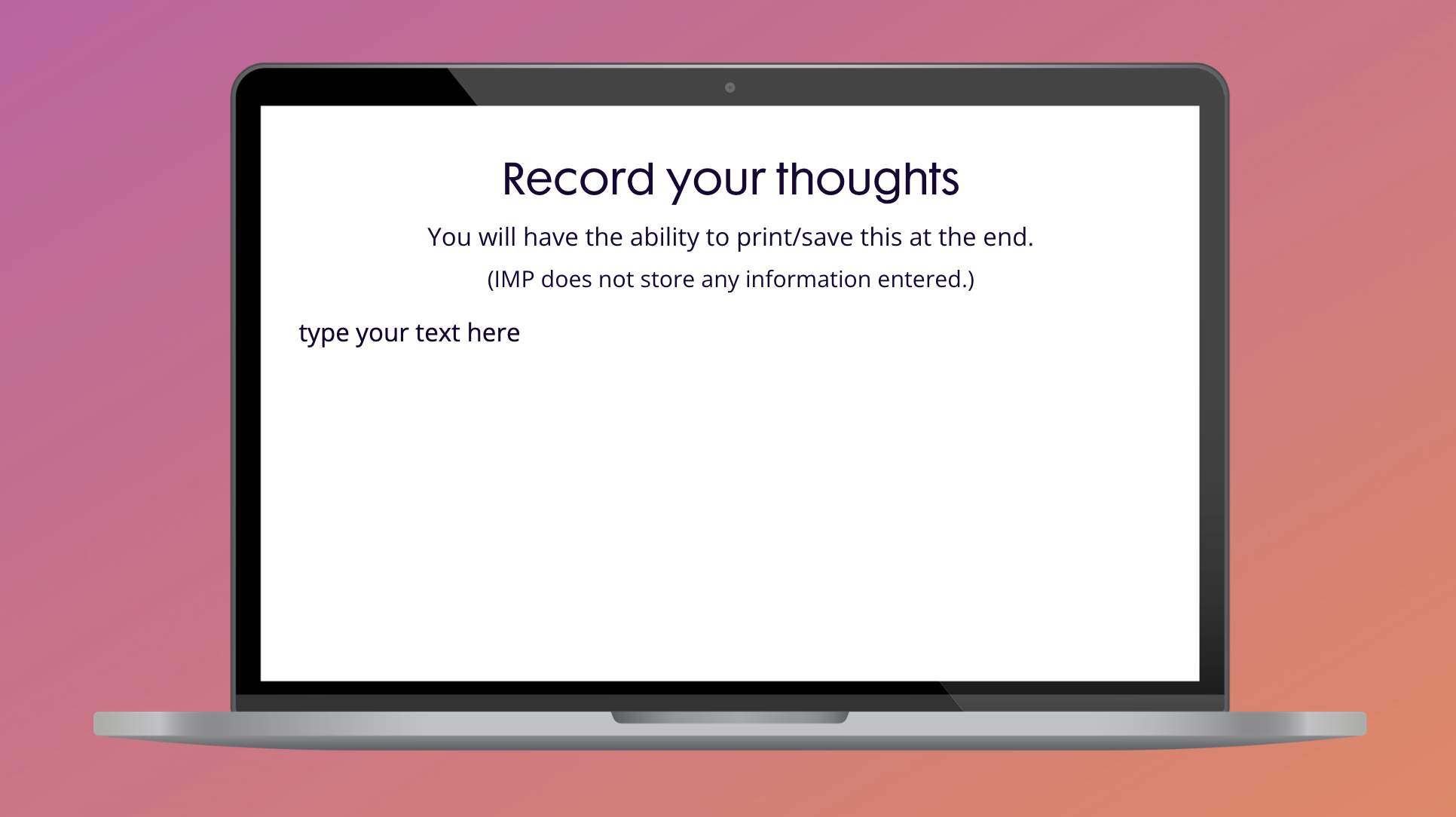
The following screenshots highlight key elements of the course, including instructional content, learner interactions, reflection activities, and assessments.

Instructional Design Process